
Celebrating 10 years of Research & Innovation Grants
Since 2016, the programme has:
To mark 10 years of RIG, we’re sharing some of the stories, ideas and discoveries from the people behind the projects we’ve supported.
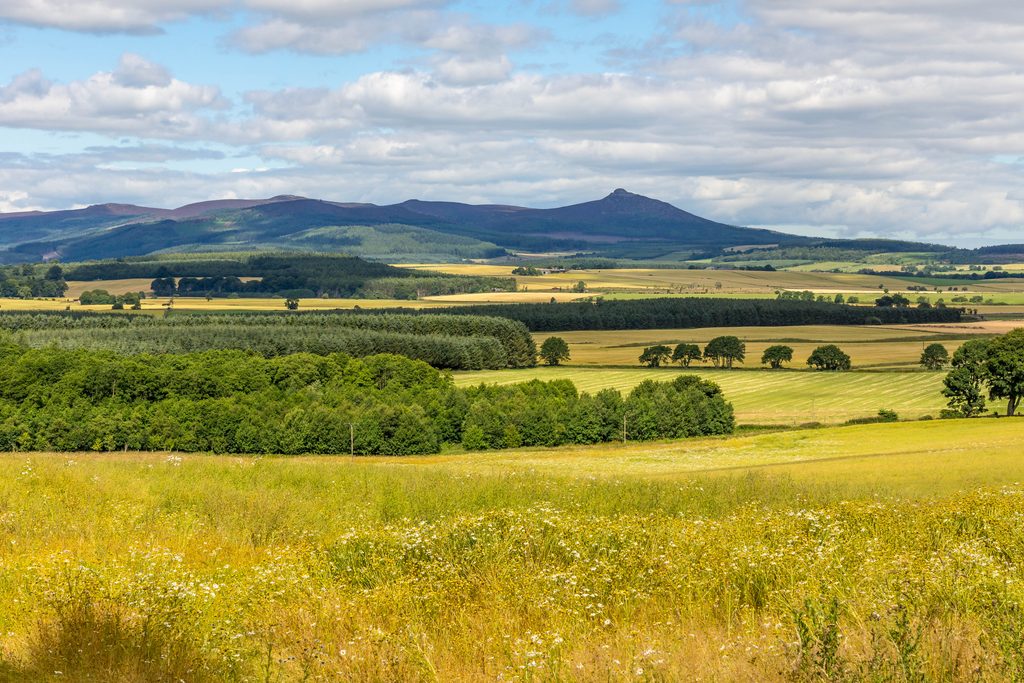
Research can start with a relatively simple question. But finding an answer can take time, and the findings can go on to influence work well beyond the original project.
In 2016, one of our very first Research & Innovation Grants supported ecologist Rick Worrell to investigate how common woodland plants could be established in planted broadleaved woodlands.
The problem was a simple one: woodland canopies had developed, but many of the plants you would expect to find on the woodland floor had not. Without nearby sources of those plants, natural colonisation was unlikely.
The research found that some species established well from seed, while others were better suited to plug plants. Deer browsing also affected the results.
The work was later included in NatureScot’s best practice guidance, coauthored by Rick in 2021. In 2025, RIG funding supported SCOTLAND: The Big Picture to build on the research and test new approaches to increasing native woodland ground cover.
This is a great example of why research and innovation funding matters: a small grant can start something that develops over many years, gaining momentum as ideas are adopted by national organisations and wider collaborations.
As that research developed, new questions emerged about how woodland creation can work alongside the species that are part of these landscapes.
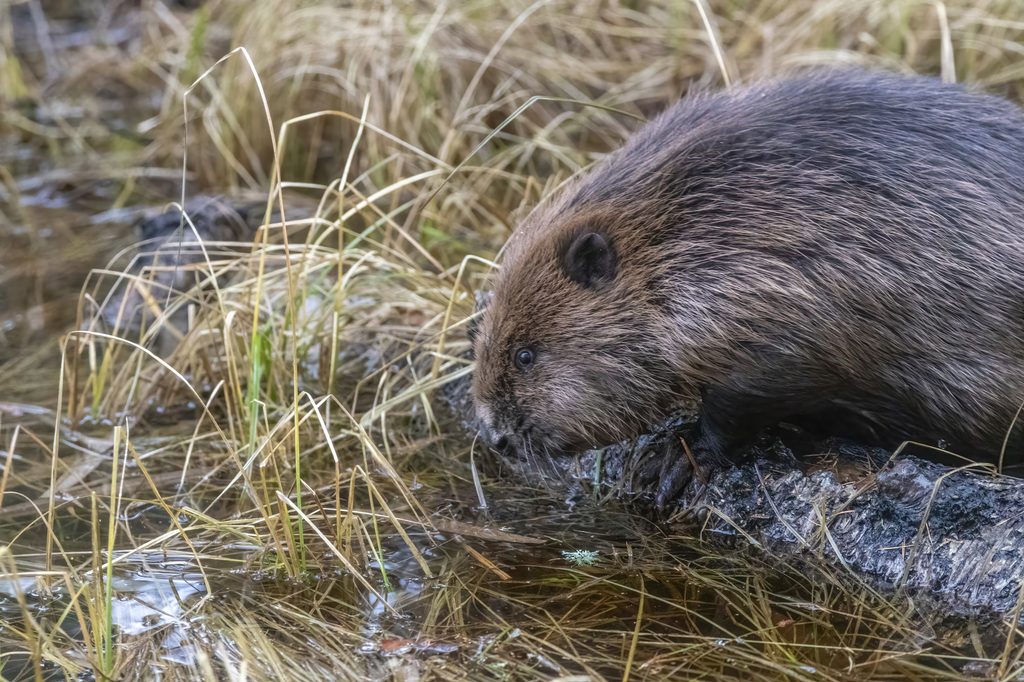
As beaver populations recover across Scotland, woodland creation increasingly needs to work alongside their behaviour. Beaver browsing can create challenges for newly planted woodland close to rivers and wetlands, but there is still limited practical guidance on how best to manage this.
Through RIG, Future Woodlands Scotland is supporting the Beaver Trust to explore approaches to reducing browsing pressure on newly planted woodland. Dr Roisin Campbell-Palmer, Head of Restoration, Beaver Trust, said:
“Our project with Future Woodlands Scotland, Forest Research, NatureScot and various landowners is testing high-density willow planting as a diversionary feeding opportunity for beavers, helping to reduce browsing pressure on other adjacent riparian planting schemes and demonstrating that we can restore diverse and resilient riparian habitats in the presence of beavers by employing different approaches.”
The team will monitor beaver activity and tree health across different tree species, planting densities and arrangements. The findings will help develop practical guidance for creating diverse and resilient riparian woodlands where beavers are present.
Innovation can take many forms. It can mean developing new approaches, using new technology, or drawing on traditional techniques and older knowledge.
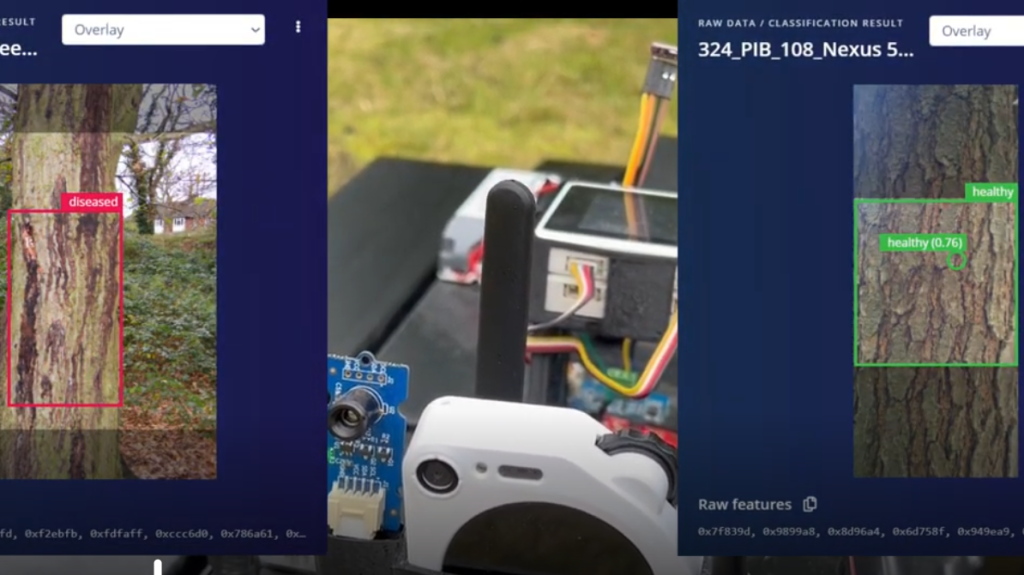
Tree Hugger is an environmental monitoring robot designed and built independently by 15-year-old Suhandan Thangadurai in Fife. Using AI vision, thermal imaging, soil nutrient sensing and centimetre-level GPS, the project is developing a robot that can autonomously revisit trees and detect early signs of stress and disease.
Wilder grazing at Ardtornish Estate is taking a very different approach. Cattle and free-ranging ponies are being used to suppress bracken and grasses, creating the conditions for natural regeneration in ghost woodlands and Atlantic rainforest.
One project is pushing into new technology. The other is drawing on older, traditional knowledge of how grazing animals can shape landscapes.
As we celebrate a decade of RIG, our Research Manager, Ailsa Watson, reflects on what stands out most:
“Good ideas can come from anywhere, which is why we aim to be accessible, supportive and open to discussing proposals.
“Over the years, RIG has supported a wide range of people and projects, from researchers and PhD students to community woodland groups, businesses and young innovators.
“Since 2025, we’ve been able to award three times more funding each round than the programme could in its early years, helping more people test new approaches that could benefit Scotland’s woodlands.”
And as we look towards the next 10 years, there’s plenty more to come. Newly funded projects are exploring innovative approaches to tree planting and woodland inventory, soil carbon, community woodland monitoring, native Aspen seed resources and long-term pinewood conservation.
Discover more of the research we’ve supported over the
past decade.
Be the first to hear about new research, funded projects and future Research & Innovation Grant opportunities.
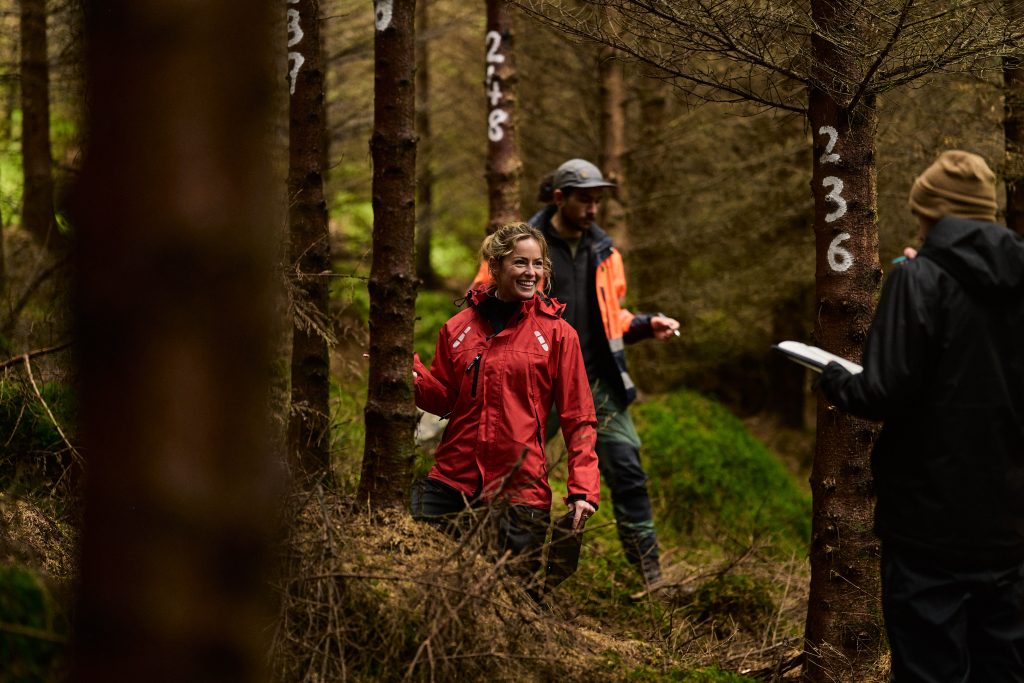
We are supporting a two-day Continuous Cover Forestry training course
Learn More
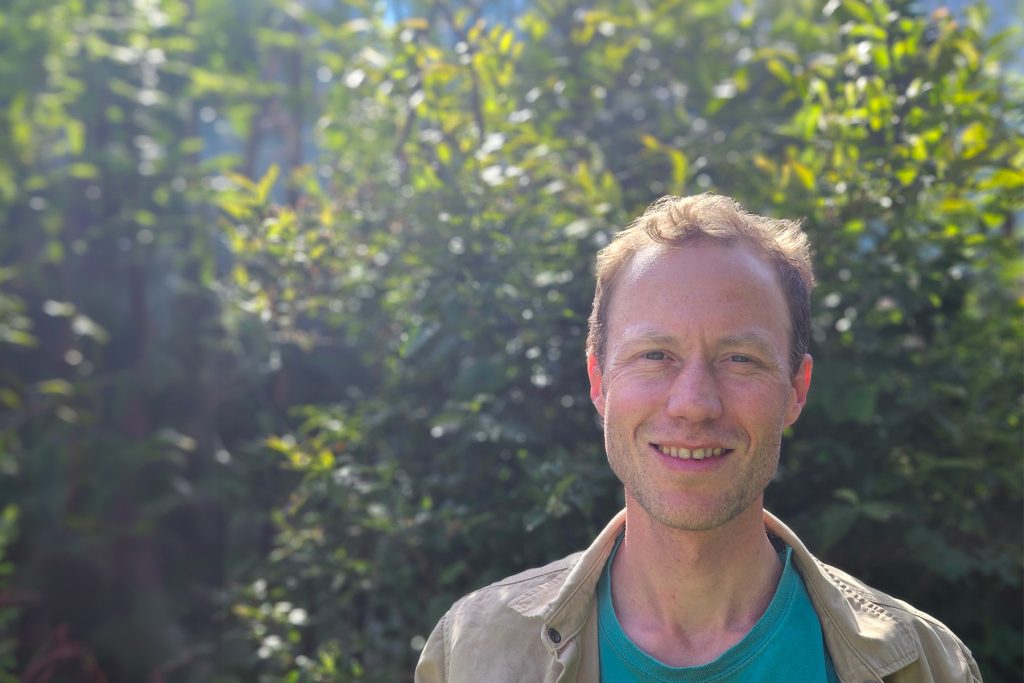
We’re delighted to welcome Luke Strachan as Chief Executive
Learn More