
Project in action: Creating a nature network across Edinburgh
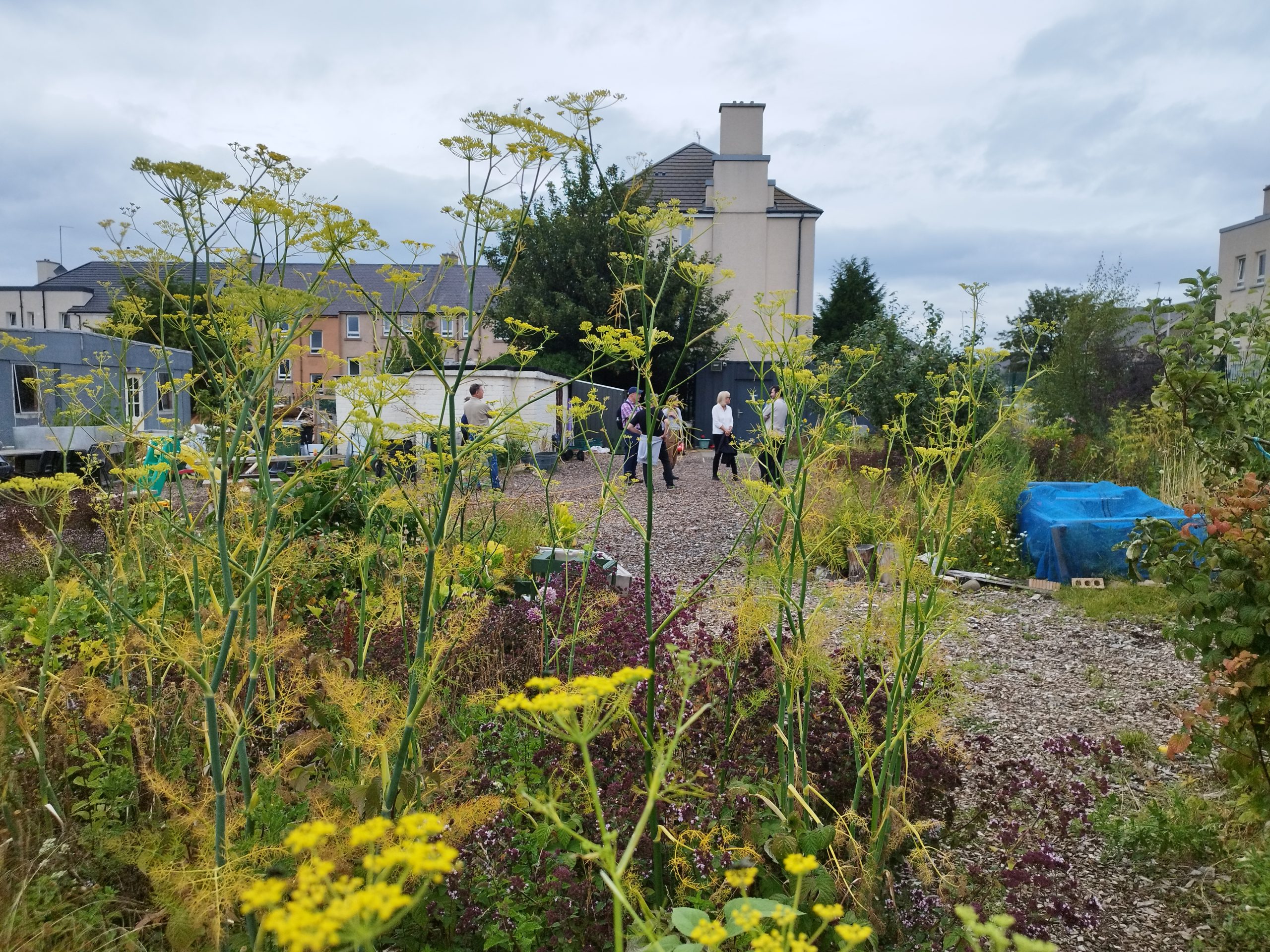
Neighbourhoods like Granton, Gracemount, and Ferniehill have some of the city’s lowest tree cover, and residents feel the impact in their everyday lives. Canopy Communities is working with these neighbourhoods to bring more trees, shade, and green space to the places that need them most. Together with local residents, the project is transforming overlooked pockets of land into cared‑for community spaces. Led by the City of Edinburgh Council and Granton Community Gardeners (GCG), and supported by our Urban Forestry Challenge Fund, the project is restoring neglected land and putting community voices at the heart of urban greening.
Granton Community Gardeners (GCG) began with neighbours digging up a disused corner in their area and turning it into a vegetable and flower patch. Word spread, more streets joined in, and what started as one community garden grew into a charity with sites across the neighbourhood as well as a central garden with a chicken coop, a free shop, and weekly lunches from a spin-off community bakery. As founder Tom Kirby recalls, “It wasn’t set up by another organisation; it’s just come from neighbours.”
At the same time, the City of Edinburgh Council was using the Tree Equity Tool to identify where trees are needed most. The findings were stark: areas with the lowest canopy cover heavily coincided with council housing estates. Ferniehill, for instance, has just 6% canopy cover and the highest need for noise regulation in the city.
These insights helped shape a partnership with GCG, who applied for and secured Urban Forestry Challenge funding to bring new trees and new life to these low‑canopy neighbourhoods.
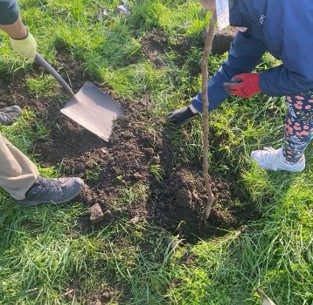
This project is shaped by the community from the ground up which sets it apart from conventional redevelopment and allows the residents to have more say in the planting design of the green spaces in their area. Although the trees technically belong to the council, they feel like the community’s own.
Fiona Underhill, the council’s Canopy Development Office, says “This is very much rooted in the community; none of the ideas are coming from us, other than we can supply the trees.”
Volunteer Canopy Custodians will be trained in planting and long-term care, helping neighbours to protect and tend the trees, and in doing so, keep the community at the heart of growth. The model is designed to spread across the city, and potentially the country.
So far, the project is being noticed by more residents who are, in turn, getting involved, creating more community green spaces, and building community relationships.
Linda, who lives next to one of the sites, watched her daughter join in after noticing the planting from their window. She “loves the idea” and is eager to help: “”I’ll bring water. Whenever it’s dry, I’m more than happy to help.” She adds; “We’re gonna have a great view as well, it’s wonderful.”
The project also supports Edinburgh’s commitment to reach one million trees by 2030; the city currently has an estimated 871,194 and projects like Canopy Communities are essential to closing that gap where it will have the greatest impact.
This blog was written by Jamie Hall, a Human Geography student at the University of Edinburgh. Jamie joined Future Woodlands Scotland for a short work‑experience placement, supporting our Urban Forestry Programme and exploring how community‑led greening can shape fairer, healthier cities.
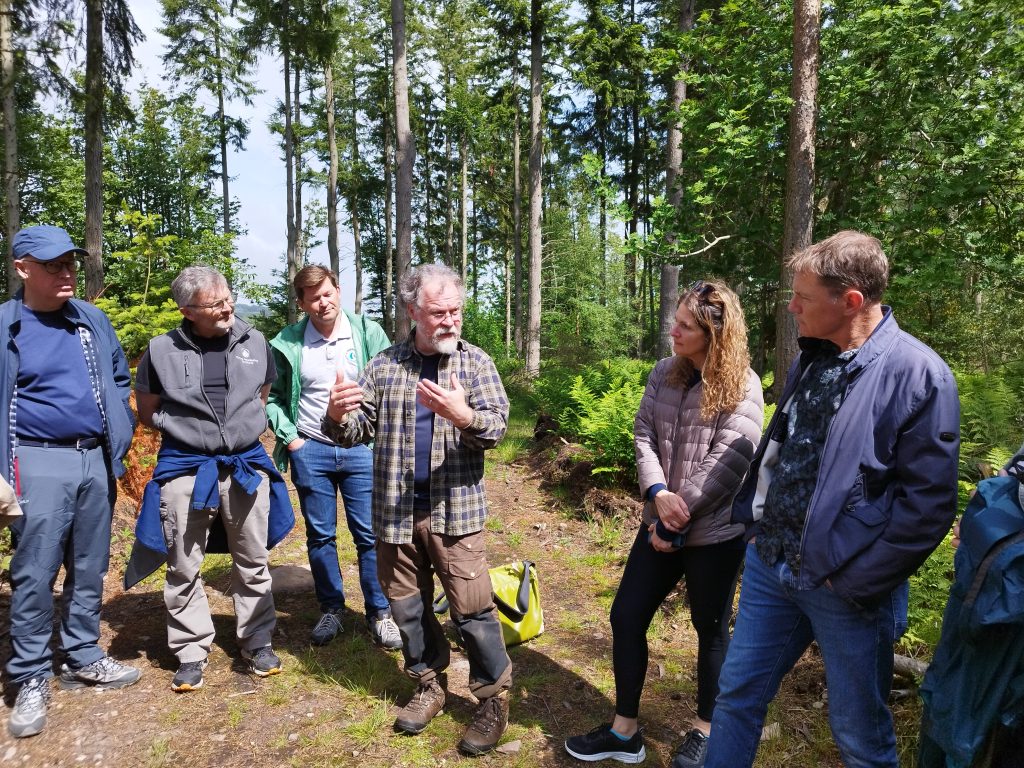
Just outside Dundee, Dronley Community Woodland is showing how communities can take a different approach to woodland management. Through support from our Future Woodlands Programme, the group is carrying out work that will help strengthen the woodland’s long-term resilience while maintaining the benefits it provides for nature, recreation and the local community Purchased by the […]
Learn More
We’re thrilled to share that Future Woodlands Scotland is now a proud member of 1% for the Planet,
Learn More
Scotland’s school grounds could be doing so much more.
Learn More