This project is a collaboration between three well-networked and experienced land managers and researchers: JLB Consulting (Dr Jessica Lynch Boucher), Wilder Williams Regeneration (Richard Williams), and the UHI Centre for Mountain Studies (Mike Daniels). They will address the following questions:
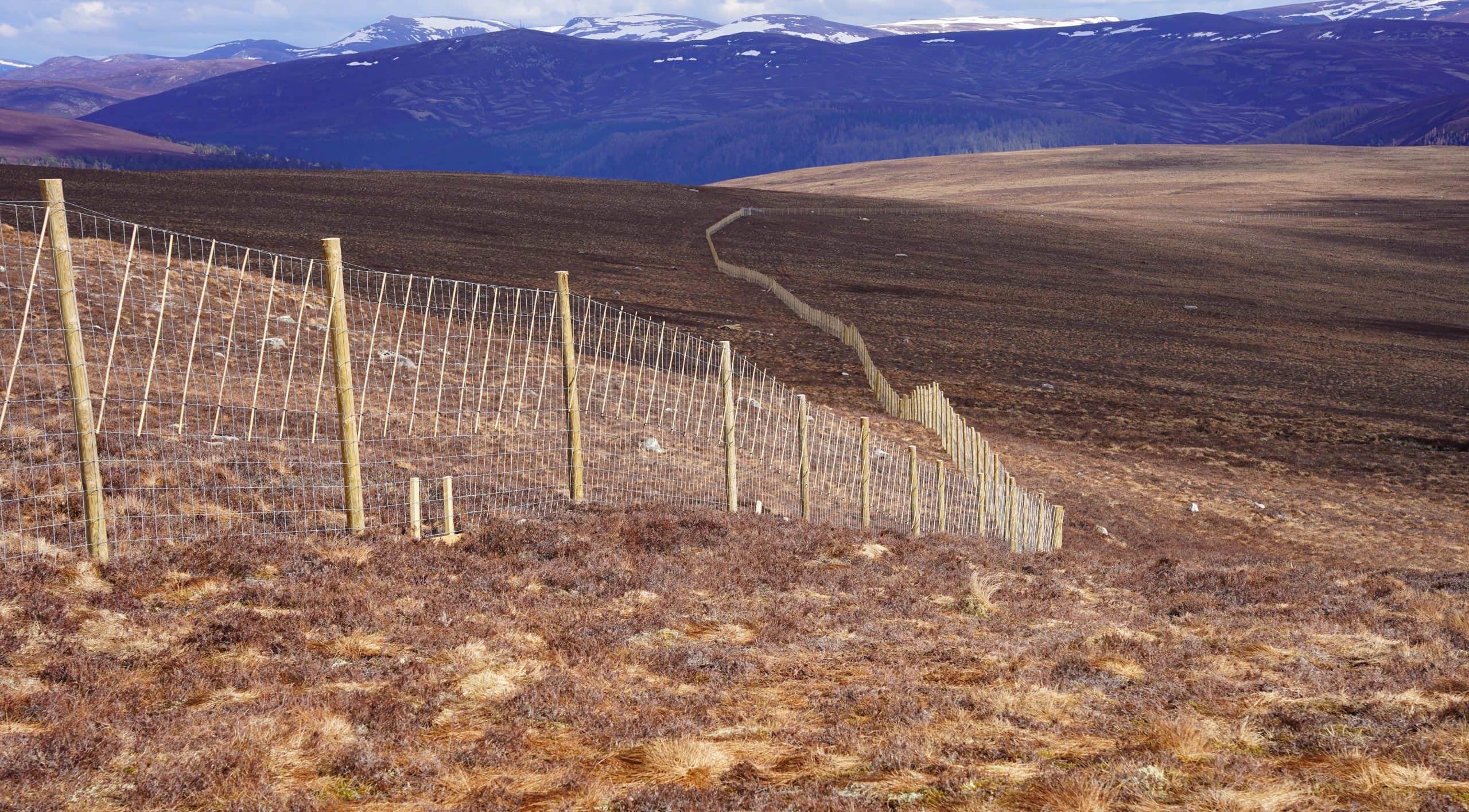
- What are the costs, benefits, and trade-offs of deer fencing compared with alternative deer management approaches for establishing native woodlands, and restoring ancient woodlands, in Scotland?
- What are the economic, ecological, and cultural impacts of fencing and non-fencing approaches, including effects on jobs, venison markets, woodland establishment success, biodiversity, and local communities?
- Can emerging drone, traceability, and verification technologies (e.g. smart tagging, DNA barcoding, recording apps) enable a commercial and scalable model for hill-butchered venison cuts to enter the human food chain, while mitigating risks of contamination, compliance, poaching, and fraud?
- How can robust, comparable evidence on deer management methods be consolidated and communicated to support more effective policy implementation, funding, and land management decisions?
Future Woodlands Scotland is match funding phase 1 to December 2026.
Objectives for phase 1
- Desk based analysis of relevant scientific literature, grey literature, and accessing/utilising freedom of information requests. Use existing / known case studies to bolster these initial findings and learnings.
- Sharing and communicating the research results: consolidating this evidence base and making it accessible via project reporting and workshops with key targeted and strategic stakeholders prior to the finalisation of the work. Development of a process manual for how to establish/restore woodland at landscape scale without fencing, for those landowners wanting to take a different approach, but not having the experience, skills nor financial backing to do so.