
Mountain birch in Scotland: genetics and recovery
Amount: £10,000
Location: Highlands
Awarded: September 2025
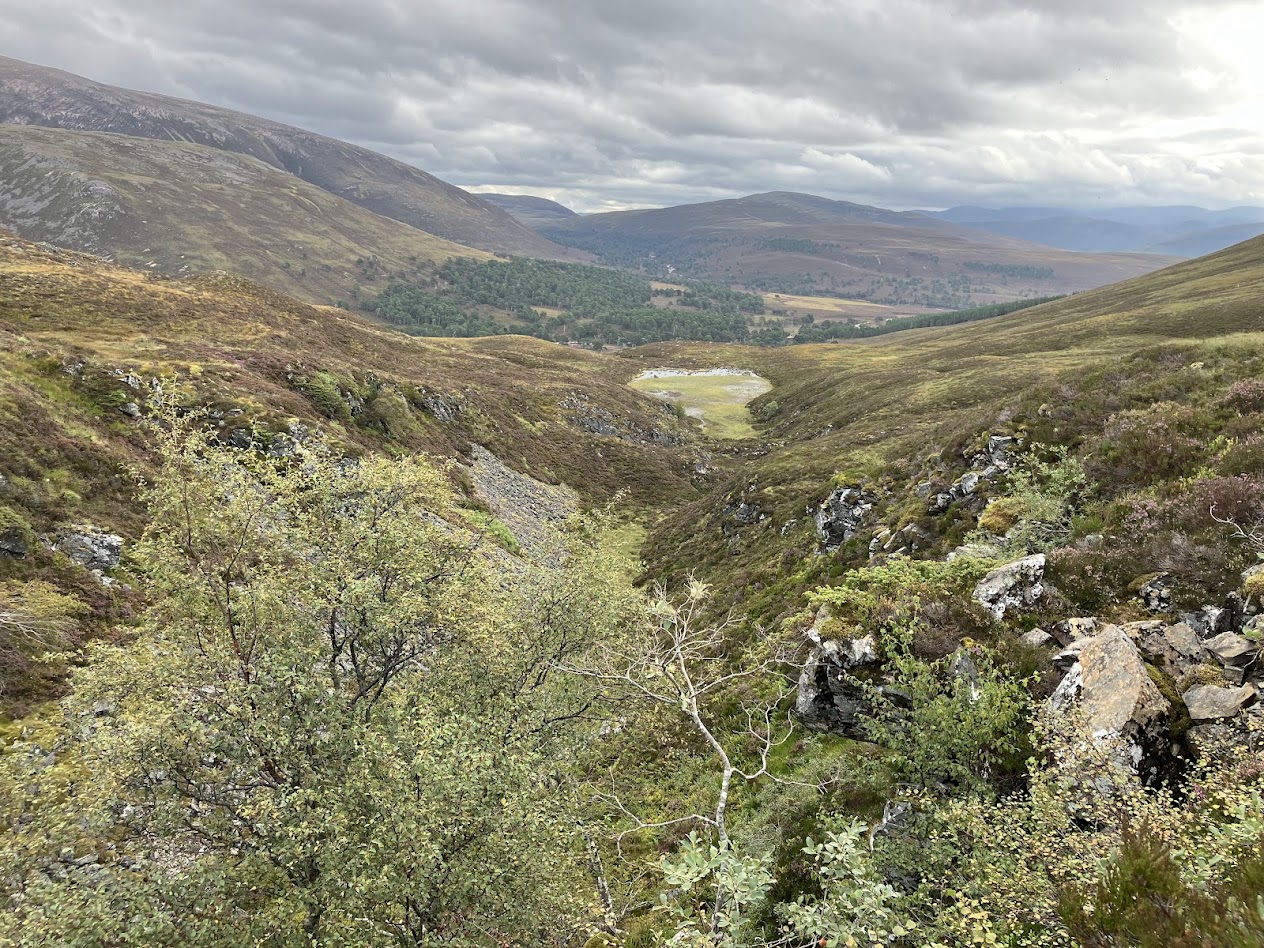
Mountain birch. Photo by Thomas Sim
Mountain birch. Photo by Thomas Sim
In support of a PhD project titled: Mountain birch in Scotland: genetics and recovery. The project has been developed collaboratively between the University of Stirling, UK Centre for Ecology Hydrology (UKCEH), Forest Research, Corrour Estate, National Trust for Scotland (NTS) and Royal Botanic Garden Edinburgh (RBGE).
This 3-year PhD project will address the following questions to inform management of birch in mountain woodland restoration:
The project will focus on two of the three birch species in Britain, i.e. downy birch (Betula pubescens) and dwarf birch (Betula nana). Methods will involve field assessments, reciprocal transplant trials and genetic analyses: